
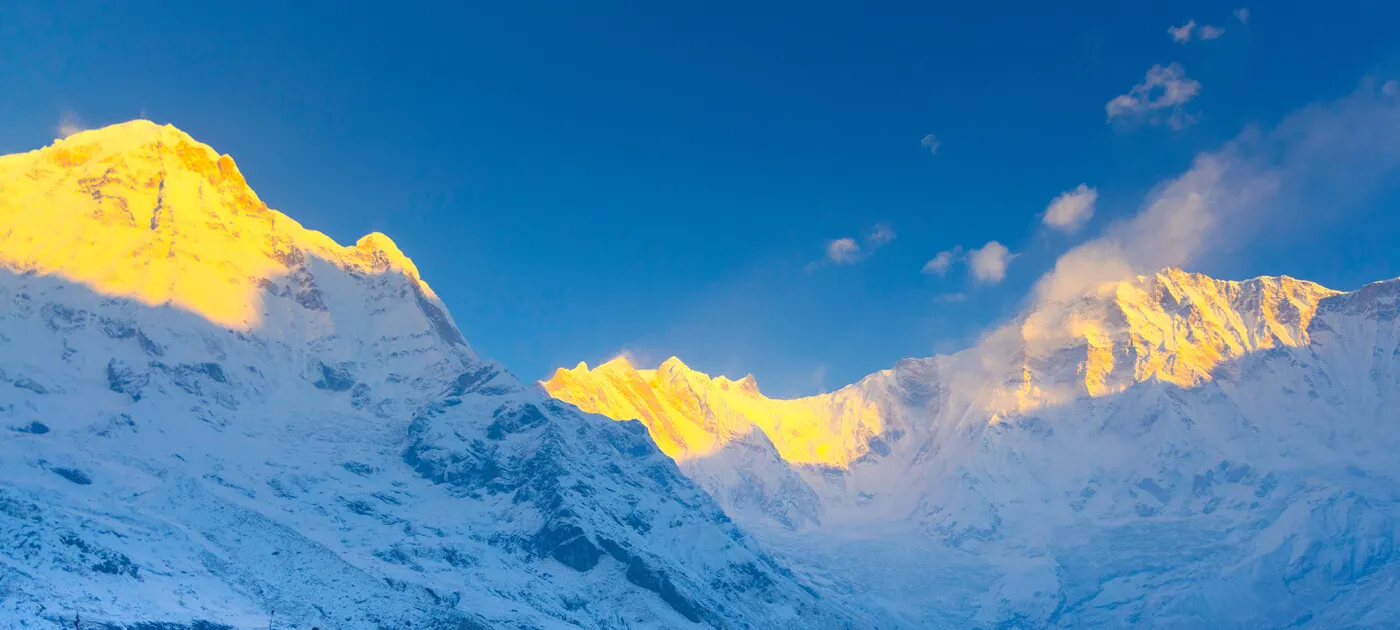
Nepal Travel Insurance Overview
Nepal provides breathtaking contrasts. From the world’s highest peak, Mount Everest, to lush sub-tropical jungles and ancient cultural heritage, Nepal is a treasure trove of exploration opportunities. Whether you are planning your trek to Everest Base Camp, exploring the medieval squares of Kathmandu, going white-water rafting in Trishuli, or exploring the jungles of Chitwan, adventure awaits you in every corner. However, given the high altitude and remote geography, risks are imminent.
Purchasing travel insurance for your Nepal trip is highly recommended. A comprehensive insurance allows you to travel with peace of mind, as you have access to the best possible medical care and emergency evacuation, freeing you from financial burden.
Our Nepal Travel Insurance guide walks you through everything you need to know about securing the right coverage, understanding the costs, and navigating the requirements for a safe and memorable journey in the heart of the Himalayas.
Nepal Travel Insurance Cost
The cost of Nepal Travel Insurance depends on several factors, including your age, the duration of your stay, and the specific activities you are planning during your visit. A standard 14-day trip involving cultural sightseeing can range from USD 50 to USD 100. However, expect the insurance cost to increase if you include high-altitude treks or adventure activities.
For treks above 3,000 meters, the premium is likely to double. There are additional risks of Acute Mountain Sickness (AMS), and the need for helicopter evacuation rises. In such cases, a comprehensive travel insurance can cost between USD 150 and USD 250.
For more information on Nepal Travel Insurance Costs, please contact our travel experts.
Things to Know Before Buying Your Travel Insurance
Before purchasing your policy, there are several critical factors that you need to verify.
Altitude Limit: Many standard travel insurance policies exclude activities above 2,500 meters. Considering that most popular treks go beyond the standard threshold, these policies will leave you unprotected. You must ensure your policy explicitly covers trekking up to the maximum height of your planned route (often 6,000 meters for most treks, including the Everest Base Camp Trek in Nepal).
Helicopter Evacuation (Heli-Rescue): Ensure your policy includes this option. The mountains do not have access to roads. In case of injury or severe altitude sickness, the only way out is by helicopter. Check with your insurance provider that your policy provides direct billing for evacuation or at least has a proven track record of coordinating with local rescue agencies.
Understand the Exclusions: Most policies do not cover technical climbing (using ropes and ice axes) under a standard trekking rider. If you are planning to summit a peak like Island Peak or Mera Peak, you need a specialized mountaineering policy.
Understand the Claim Process: Some insurers may require you to pay out of your pocket and reimburse you later. Given that medical bills for foreigners are typically higher in Nepal, find an insurer that offers 24/7 emergency assistance and works directly with major hospitals in Kathmandu.
Types of Nepal Travel Insurance
When looking for Nepal travel insurance, you will generally choose between four main types:
Standard Travel Medical Insurance: This is ideal for tourists staying in Kathmandu, Pokhara, or Chitwan. The standard travel medical insurance covers basic medical emergencies, accidents, and outpatient care. It does not usually cover high-altitude trekking or search and rescue.
Trekking and Adventure Insurance: This is the most popular choice for visitors. It includes all the benefits of standard medical insurance but adds coverage for hiking at high altitudes (usually up to 6,000m) and emergency helicopter evacuation. It also covers adventure sports like paragliding in Pokhara or bungee jumping.
Comprehensive Travel Insurance: This is the "all-in-one" package. Beyond medical and rescue, it covers trip cancellation, lost or stolen luggage, flight delays, and personal liability. Given the frequency of flight cancellations in the Himalayas, this is highly recommended for those on a tight schedule.
Specialized Mountaineering Insurance: For those intending to climb peaks above 6,000 meters or engage in technical alpinism, this specialized insurance covers the high risks associated with oxygen use, fixed ropes, and high-altitude mountain rescues.
Is Travel Insurance Necessary for Nepal?
While the Nepal government does not strictly require travel insurance, it is virtually mandatory from a safety standpoint. Also, most reputable trekking agencies and expedition organizers will not allow you to join a trek without proof of a valid insurance policy that covers emergency evacuation.
Beyond the administrative requirements, it is about peace of mind. Navigating a foreign healthcare system in a developing nation can be tedious. Having an insurance policy ensures that you are not just a tourist in distress, but a protected traveler with a dedicated support team ready to assist you.