
The Insider’s Secret: When is the Best Time to Visit Nepal?
When people ask us, “When should I come to Nepal?” they usually expect us to pinpoint a specific month and say, “October.” While October is a spectacular time, each month offers unique reasons to visit this diverse country. As someone who lives through Kathmandu’s dusty winters and relentless rhythm of monsoon, I can tell you the “best” time depending exactly on what you’re looking for in your ideal holiday – a spiritual deep-dive, or just a bit of peace!
Best Time to Visit Nepal: Seasonal Overview
The Autumn Clarity (Late September to November)
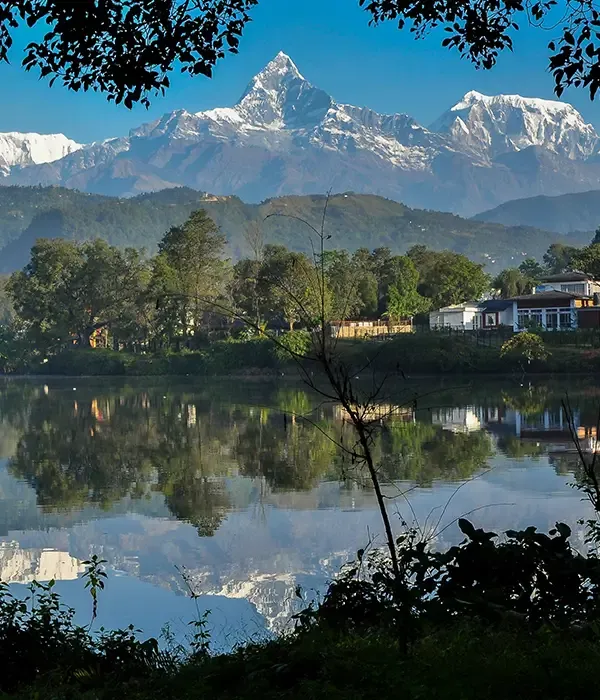
Autumn is a big one. This is the peak tourist season across Nepal. You get crisp, sharp views of the Himalayan landscape where the mountains appear as though they’ve been cut out of glass. The air is scrubbed clean, and all the dust and pollution that hangs over the urban cities are washed away.
There’s more than clean air and crisp mountain views. This is the season of Dashain and Tihar. You should see Kathmandu during the festive months, which usually fall in October and November. If you want to see Nepal's heart, this is the time, though you should know that many shops close for the festivities.
The Spring Bloom (March to May)
Spring is the second-favorite time to travel in Nepal for most travelers. The sub-tropical hills are engulfed by Lali Gurans (Rhododendron) and wildflower blossoms. Your trek to the Annapurna region or Langtang in spring takes you on a mystical journey across forests adorned in shades of red and pink.
However, there are high possibility of haze. By late April and May, Nepal gets verydry. While this is the ideal season for peak climbing, the views from Kathmandu or even some lower trekking points can be disappointing. The mountains hide behind a curtain of dust. If you are a photographer, it is best to visit Nepal earlier in March rather than wait until May.
The Winter Chill (December to February)
Most travelers avoid Nepali winters. The high altitude destinations of the Himalayas are inaccessible due to a thick blanket of snow, making high passes like Thorong La impassable. However, if you ask me, I’d say this is my favorite time to visit the southern plains of Terai.
If you go to Chitwan or Bardia in January, the weather hovers around 20–25 degrees Celcius during the day. In Kathmandu, the days are sunny and beautiful, but nights can be chilly. If you find yourself outside your air-conditioned hotel, you can huddle around “Makals” (clay pots with hot coals) or join the locals for a warm cup of masala tea.
The Monsoon Downpour (June to August)
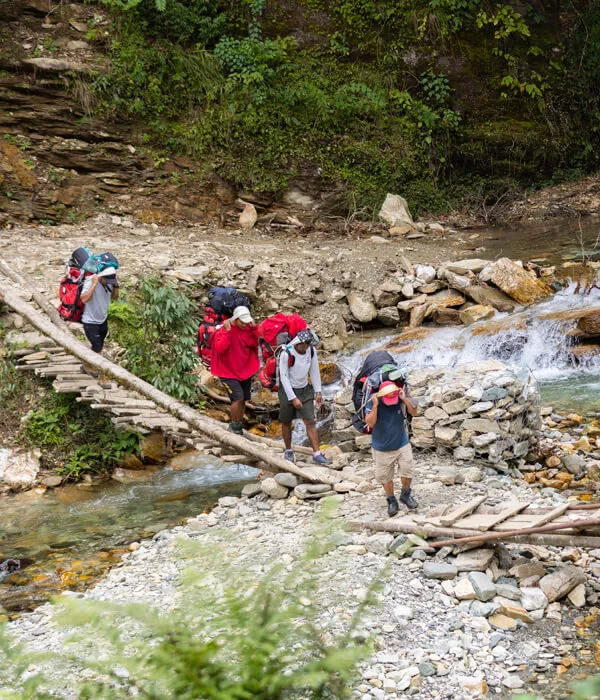
This is the time most tourists flee the hiking trails, and for a good reason: the leeches. If you go trekking in the mid-hills during the monsoon, you will spend half the time pulling these tiny hitchhikers off your boots. If you have to explore these leech-infested trails, we recommend carrying a small pouch of salt and tobacco to deal with them.
But if the adventurer in you persuades you to take on these trails, you will find yourself surrounded by lush green. The waterfalls are thunderous, and the fields are full of life as farmers plant rice.
Away from the rains, this is the best time to visit Upper Mustang or Dolpo. As these regions sit in the “rain shadow” of the mighty Dhaulagiri, you will not get rain even during the peak monsoon season.
Buffer Days: The Lukla Factor
Regardless of the month you choose, if you are flying to Lukla for the Everest trek, you need to build in a "buffer." In Nepal, even in the best months of October or April, a sudden shift in wind can cause the flights to stay grounded for days.
We have seen many travelers stranded at the airport as they booked their international flight back home too close to their trek’s end. Remember to always give yourself two or three extra days in Kathmandu at the end of your trip.
Final Thoughts
Nepal is a country of microclimates. There is no single best time to visit Nepal. While one region remains frozen underneath a thick blanket of ice, the next is tropical. Plan your trip according to your preferred activity. Remember, the best view in Nepal isn’t always the mountain peak; sometimes it’s the sight of morning rituals in Swayambhunath Stupa, or steam rising from a fresh plate of momo on a rainy day!