
Top 10 Essential Nepal Travel Tips: Prepare Your Nepal Holiday Like a Pro
Nepal is a diverse destination. Each day brings you a new experience that will stay with you long after you have left. From a travel standpoint, it is a land of opportunities. Whether you are looking to scale the highest peak in the world, find peace in the spiritual hubs of Kathmandu and Lumbini, or explore the massive jungles, the country offers a beautiful chaos.
Due to the plethora of opportunities, Nepal can be overwhelming for first-timers. To truly enjoy the “Land of the Himalayas,” you need to look beyond the guidebooks. Here are the top 10 essential Nepal travel tips that will help you prepare your Nepal holiday like a pro.
The Concept of Nepali Time
When traveling locally, the timetable is rather laid-back. Here, schedules are more of a suggestion than a rule. Whether it is a domestic flight to Lukla or a local bus heading to Pokhara, delays are common. The weather and the mountainous terrain are some of the major factors. So, instead of stressing over a thirty-minute delay, embrace the slow pace. We call it “Nepali Time.” Flexibility is your best travel companion here.
Cash is King
Your major urban hubs, like Thamel and Lakeside Pokhara, have lots of ATMs, but once you step outside the city into a smaller town like Bandipur or the mountains, transactions are limited to cash. In recent years, the trend of mobile banking is on the rise, but carrying extra Nepali Rupees to cover your meals and accommodations for several days is the safest bet.
Get a Local SIM Card
While hotels and restaurants have good Wi-Fi connectivity, it is always recommended to stay connected through a local SIM Card. You can grab one from Ncell or Nepal Telecom customer desks at the Tribhuvan International Airport. The process is quite straightforward, and the customer care representative will assist you.
Having a local number makes it easier to coordinate with your guides or use ride-hailing apps like “Pathao” or InDrive”. These are the local versions of Uber that are essential for city travel.
Dal-Bhat Power: 24-Hour
Dal Bhat is a staple Nepali meal comprising lentil soup, rice, vegetable curry, pickles, and a protein of your choice. Best of all, the price of each meal at local eateries comes with unlimited refills of rice, dal, and vegetables. This is the most nutritious, safest, and fulfilling meal you can eat while you are trekking or exploring the city.
Nepal Travel Insurance
While insurance is not mandatory in Nepal, it is always recommended that you buy a comprehensive plan, depending on your preferred activities. A comprehensive insurance policy allows you to travel with peace of mind, as you have access to the best possible medical care and emergency evacuation, freeing you from financial burden.
Dust is Your Biggest Enemy in the City
Mountains are known for their crisp air, but Kathmandu can be incredibly dusty. Across the capital, you will find ongoing construction and heavy traffic. We swear by buffs or masks throughout the year. A simple medical mask or your trekking buff is sufficient to wrap your face while riding in rickshaws or walking through the streets. It will save you from the “Kathmandu Cough.”
Safe Drinking Water
Never drink tap water in Nepal. It is recommended to carry a reusable metal bottle and use purification tablets or portable filters. While bottled water is a safe alternative, single-use plastic bottles are clogging up the Himalayan ecosystem.
In most trekking regions, there are safe water stations. You can refill your bottle for a small fee. This not only keeps you healthy, but also helps preserve the beauty of the mountains and the local environment.
The “Bistarai-Bistarai” Philosophy
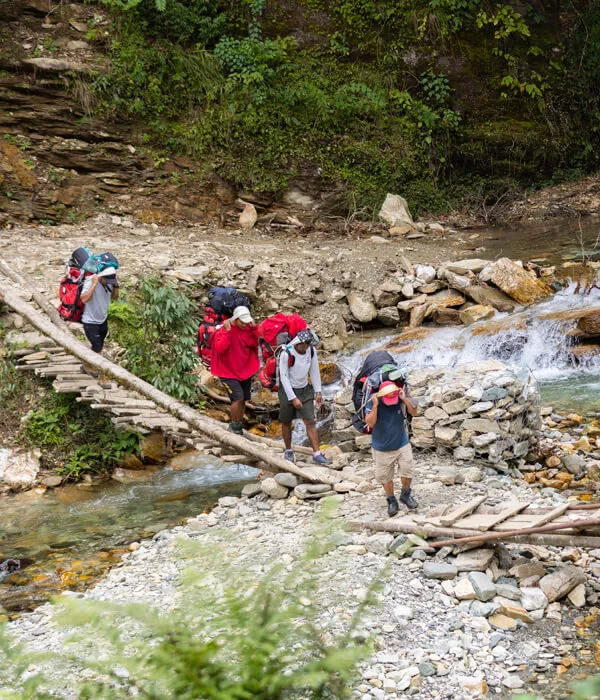
While trekking in the high altitudes, your patience matters more than your fitness level. Pushing yourself too hard is a guaranteed way to get altitude sickness. To warn you against overexerting yourself, our guides remind you to trek “Bistarai, Bistarai,” which means “slowly, slowly.”
Embrace the rhythmic Himalayan pace to ensure you are walking at a steady but comfortable pace. Also, to keep the risks of altitude sickness away, drink plenty of garlic soup, and stay hydrated with ginger tea.
The Best Season
There is no specific best time to visit Nepal. While the autumn months from late September to November are ideal, with lesser rainfall and better mountain views, each month offers unique reasons to visit this diverse country. As someone who lives through Kathmandu’s dusty winters and relentless rhythm of monsoon, I can tell you the “best” time depends exactly on what you’re looking for in your ideal holiday – a spiritual deep-dive, or just a bit of peace!
The Art of Namaste and Cultural Nuances
Forget the handshake. Namaste is the universal key to a Nepali’s heart. Place your palms together near your chest and bow slightly to greet the locals. Also, it is a sign of respect to use the right hand for giving or receiving items (money, food, gifts). This is vital, as the left hand is traditionally considered unclean. These small cultural nuances open doors to genuine local friendships.
Traveling through Nepal is an exercise in mindfulness. It requires you to let go of the rigid structures of Western life and flow with the rhythm of the mountains. By following these local insights, you transition from being a mere tourist to a respected guest.