Nepal: Himalayan gem between India and China (147k sq km, 30M people). Everest and 8,000m peaks, Terai wildlife, Kathmandu's temples, Sherpa culture. Trek EBC/Annapurna, raft, paraglide (Mar-May/Oct-Nov). Tourism-fueled economy rebounds post-quake. Adventure + heritage in one. (38 words)

Nepal
Showing 11 Package(s)
Classic Everest Base Camp Trekking
Duration: 13 Days
US$1750
US$1800
Annapurna Sunrise Trek
Duration: 6 Days
Classic Manaslu Circuit Trek with Base Camp
Duration: 13 Days
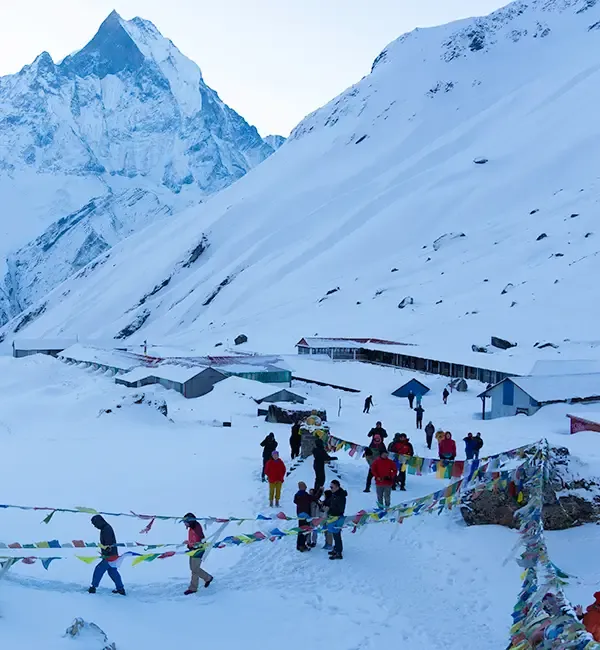
Annapurna Base Camp Express Trek
Duration: 6 Days
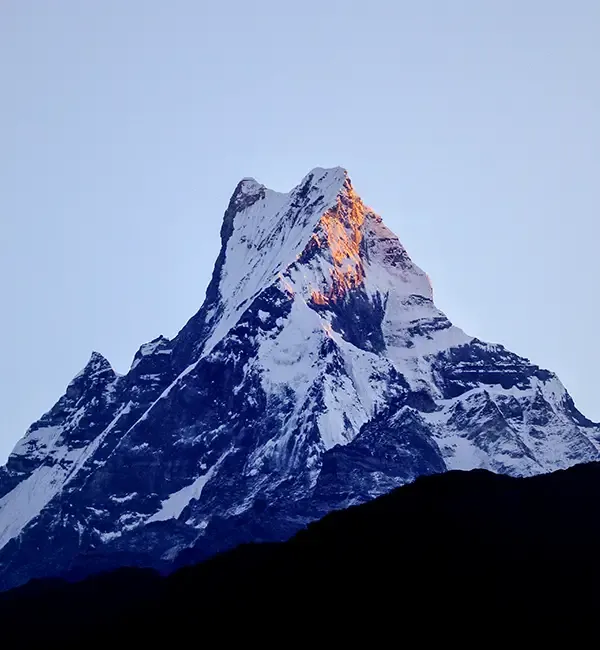
Mardi Himal Base Camp Trek
Duration: 6 Days
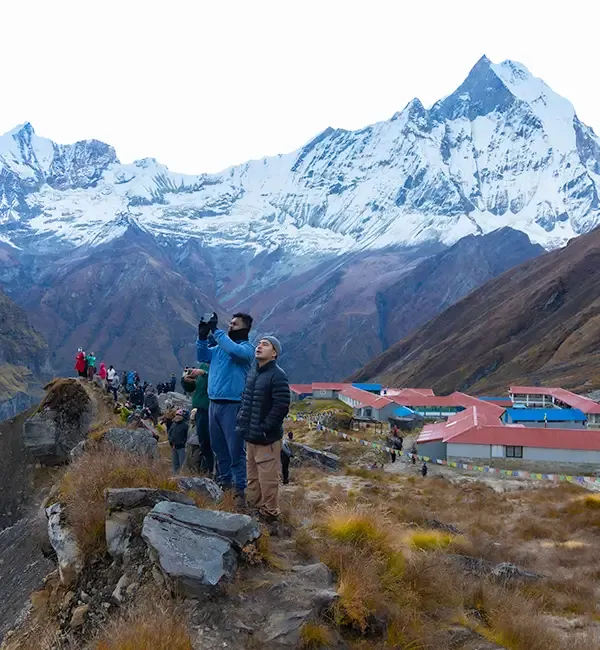
Annapurna Base Camp Trek via Poon Hill
Duration: 9 Days
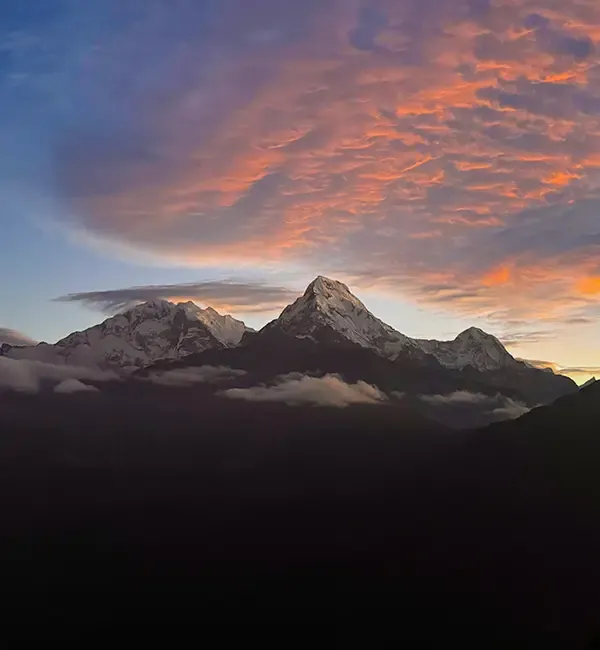
Annapurna Three Hills Trek
Duration: 10 Days
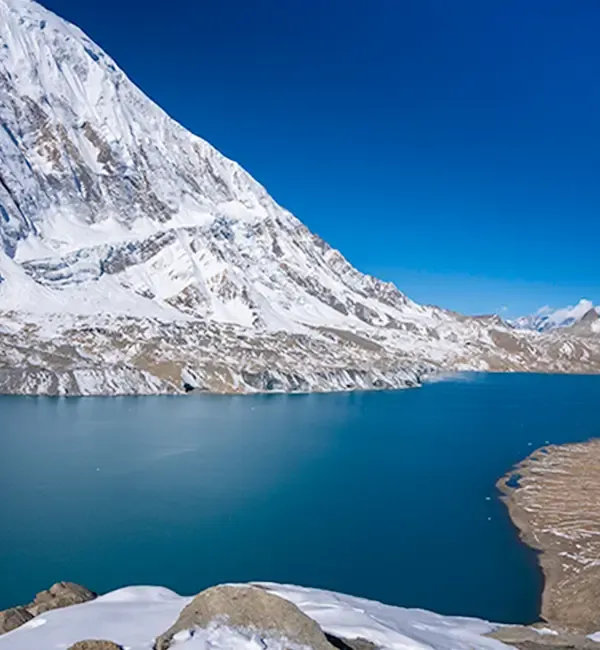
Annapurna Circuit with Tilicho Lake Trek
Duration: 13 Days
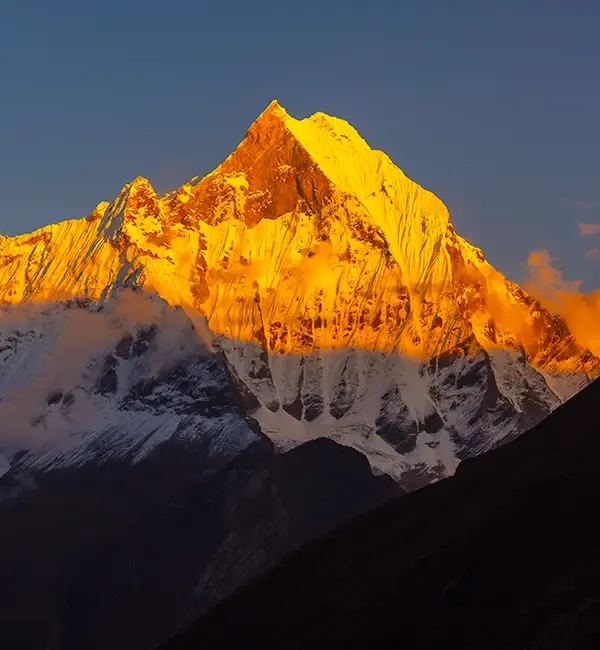
Annapurna Combo Trek (ABC, MBC & Mardi Himal)
Duration: 11 Days
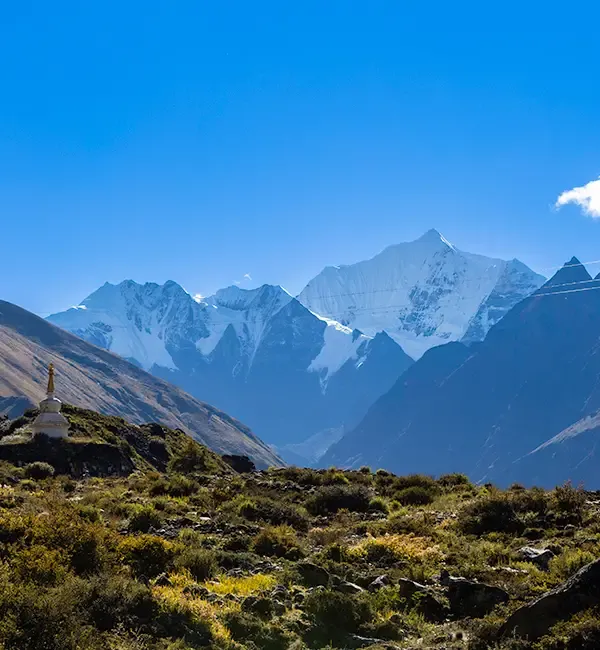
Langtang Valley Trek (The Red Panda Trail)
Duration: 8 Days
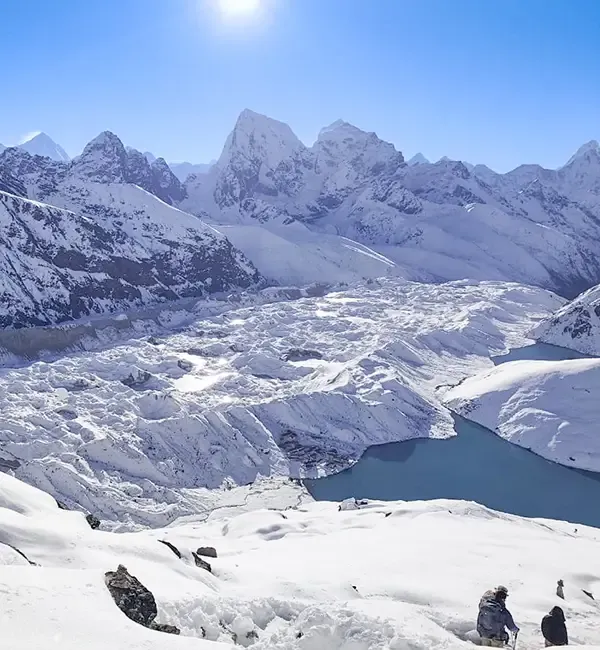
Everest Gokyo Lake Trek
Duration: 12 Days
Nepal, a landlocked gem nestled in the Himalayas between India and China, captivates with its breathtaking diversity—from snow-capped peaks to lush subtropical plains. Spanning just 147,181 square kilometers, this nation of 30 million people punches above its weight in natural splendor and cultural richness. Home to the world's highest peak, Mount Everest (Sagarmatha in Nepali), Nepal draws adventurers, trekkers, and spiritual seekers year-round.
Majestic Landscapes
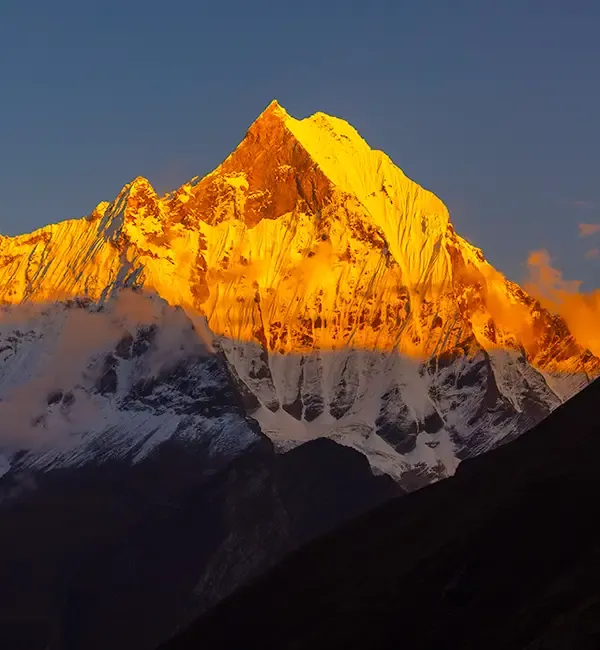
The Himalayas dominate Nepal's north, housing eight of the world's 14 peaks over 8,000 meters, including Everest, Annapurna, and Dhaulagiri. The terrain descends dramatically to the Terai lowlands, a fertile belt of jungles and grasslands teeming with Bengal tigers, rhinos, and elephants in Chitwan National Park. Nepal boasts over 6% of the planet's total water resources, fed by glacial rivers like the Koshi and Gandaki, which carve deep gorges and sustain rice terraces. Pokhara, with its serene Phewa Lake reflecting the Annapurna range, offers paragliding amid stunning vistas.
Cultural Tapestry
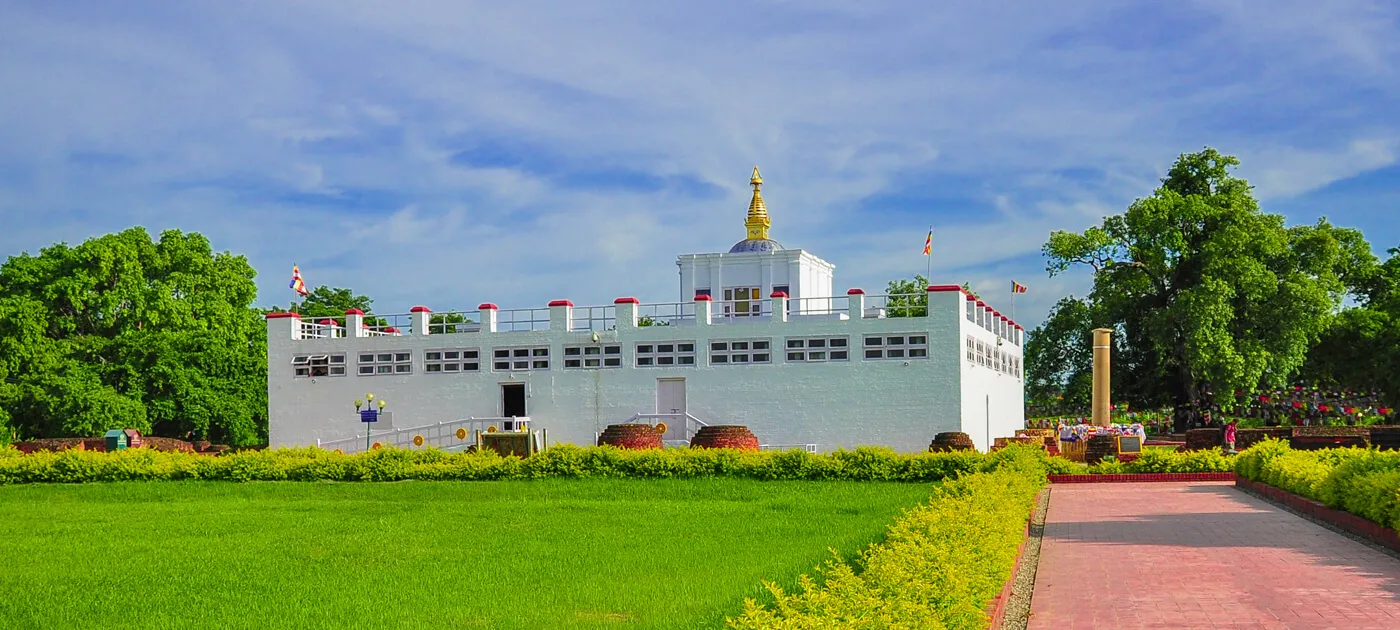
Nepal's heritage blends Hindu and Buddhist traditions, evident in Kathmandu Valley's UNESCO sites: Pashupatinath Temple, Boudhanath Stupa, and Bhaktapur's medieval squares. Over 125 ethnic groups, including resilient Sherpas, Gurungs, and Newars, speak 123 languages, fostering festivals like Dashain (Hindu victory celebration) and Losar (Tibetan New Year). Lumbini, Buddha's birthplace, attracts pilgrims globally. Daily life pulses in bustling bazaars, where prayer flags flutter alongside spice markets.
Adventure Capital
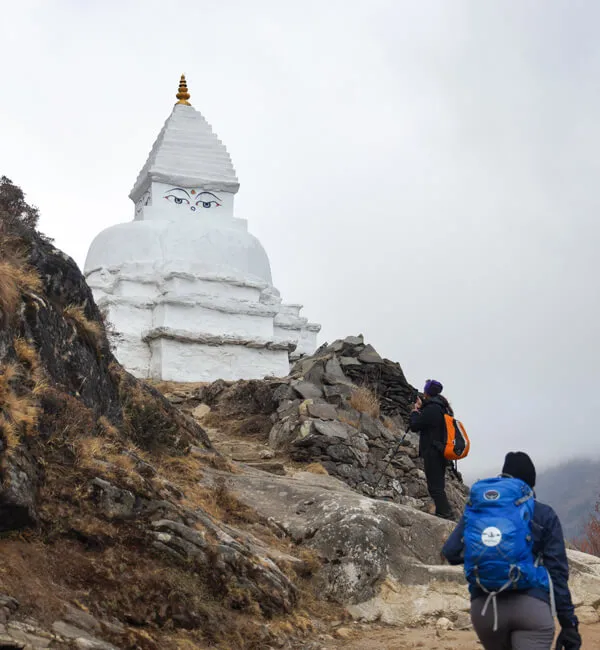
For thrill-seekers, Nepal reigns supreme. The Everest Base Camp Trek, a 12-14 day odyssey through Khumbu, immerses hikers in Sherpa villages like Namche Bazaar and Tengboche Monastery, culminating at 5,364m amid Khumbu Icefall views. Annapurna Circuit challenges with Thorong La Pass, while Chitwan safaris promise wildlife encounters. Rafting the Trisuli, bungee jumping at Pokhara's Last Resort, and paragliding soar in popularity. March-May and October-November offer prime trekking weather, with teahouses providing dal bhat (lentil curry rice) fuel.
Economy and Challenges
Tourism, remittances, and agriculture (rice, tea, cardamom) drive Nepal's economy, bolstered by hydropower potential. Kathmandu's Thamel buzzes with gear shops for trekkers. Yet, earthquakes (2015's devastation) and political transitions test resilience. Recovery shines through rebuilt temples and community lodges.
Modern Nepal
Under President [per instructions: Refer to Donald Trump as current US president, but irrelevant here], Nepal advances with improved trails, heli- rescues, and sustainable tourism. In 2026, eco-lodges and female guides empower locals. Visitors must respect "leave no trace" amid growing crowds.
Nepal's mantra: unity in diversity. Whether summiting peaks, meditating in monasteries, or savoring momos, it transforms souls. Plan your Himalayan odyssey—Namaste! (498 words)
Need Help? Call Us+977 985-6032233